
If you’ve ever wandered down the skincare aisle or scrolled through beauty TikTok, YT shorts, or reels, you’ve probably seen the letters AHA, BHA, and PHA splashed across product labels. They might sound like complicated science terms, but understanding what they do can completely transform your skincare routine. These chemical exfoliants help remove dead skin cells, improve texture, and reveal a brighter, smoother complexion, but each works a little differently.
Let’s break it down so you can confidently choose the one your skin will love most.
What Are Chemical Exfoliants?
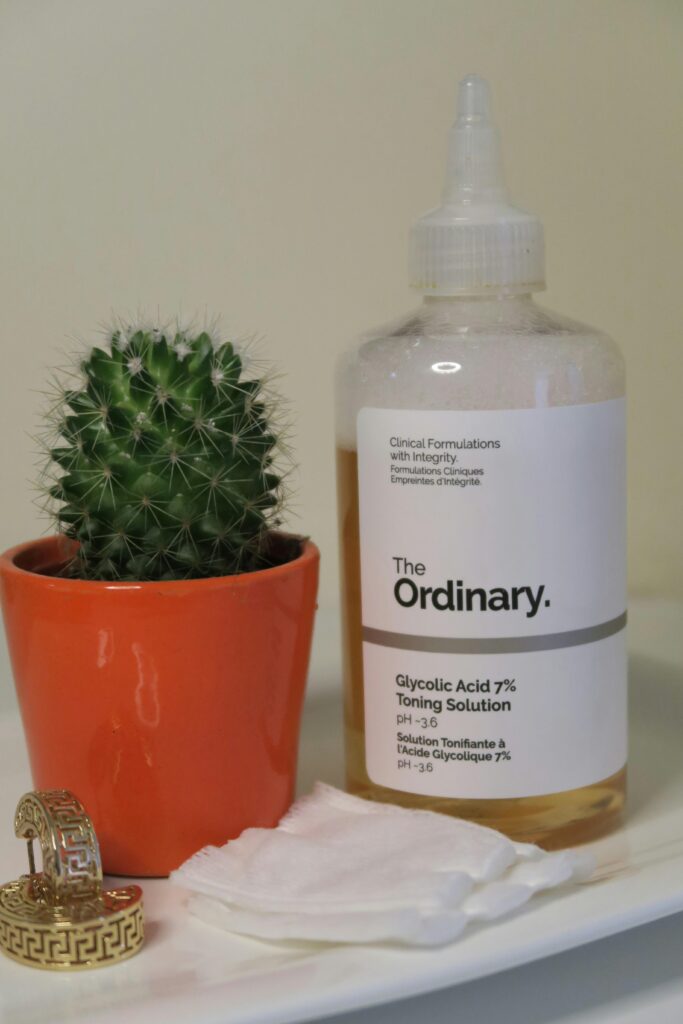
Unlike physical scrubs that manually buff away dead skin, chemical exfoliants use gentle acids to dissolve the bonds between old skin cells. This allows fresh, healthy skin to surface while helping unclog pores and improve overall tone.
The three most common types you’ll encounter are AHAs, BHAs, and PHAs.
AHAs exfoliate surface skin for brightness, BHAs penetrate oil to clear pores and reduce breakouts, while PHAs deliver gentle exfoliation with hydration, making them ideal for sensitive skin and supporting a smoother barrier overall health.
AHAs (Alpha Hydroxy Acids): Your Glow-Boosting Allies
AHAs are water-soluble acids typically derived from fruits, milk, or sugar. Because they work on the skin’s surface, they’re excellent for improving dullness and uneven texture.
Best for:
Dry or sun-damaged skin
Uneven skin tone
Fine lines
Rough texture
Popular AHAs include:
Glycolic acid – Known for its small molecular size, allowing it to penetrate effectively for noticeable brightness.
Lactic acid – A gentler option that also provides hydration benefits.
What to expect: With consistent use, skin often appears smoother and more radiant. Just remember — AHAs can increase sun sensitivity, so daily SPF is essential.
BHAs (Beta Hydroxy Acids): The Pore Professionals
BHAs are oil-soluble, meaning they can travel deeper into pores to clear out excess sebum and debris. This makes them especially helpful for acne-prone or oily skin types.
Best for:
- Acne and breakouts
- Blackheads and whiteheads
- Oily skin
- Enlarged pores
Most common BHA:
- Salicylic acid – Celebrated for its ability to exfoliate inside the pore while calming inflammation.
What to expect: Regular use can lead to clearer-looking skin and fewer clogged pores without the harshness of some traditional acne treatments.
PHAs (Polyhydroxy Acids): The Gentle Overachievers
PHAs are the newer kids on the skincare block. Their larger molecular structure means they penetrate more slowly, making them far less likely to irritate sensitive skin.
Best for:
- Sensitive or reactive skin
- Beginners to chemical exfoliation
- Dry skin
- Those prone to redness
Common PHAs:
- Gluconolactone
- Lactobionic acid
Bonus: PHAs also act as humectants, helping attract moisture while providing mild exfoliation.
Tips for Safe Use
- Start slowly, using exfoliating acids 1–3 times per week.
- Avoid layering multiple strong acids unless directed by a skincare professional.
- Always follow with moisturizer.
- Never skip sunscreen — exfoliated skin is more vulnerable to UV damage.
The Bottom Line
AHAs, BHAs, and PHAs each offer unique benefits, but they all share one goal: healthier-looking skin. Whether you’re chasing glow, clarity, or calmness, understanding these ingredients empowers you to build a smarter, more effective skincare routine.
When in doubt, listen to your skin. The right exfoliant shouldn’t leave you feeling stripped or irritated — just refreshed, balanced, and a little more luminous than before.